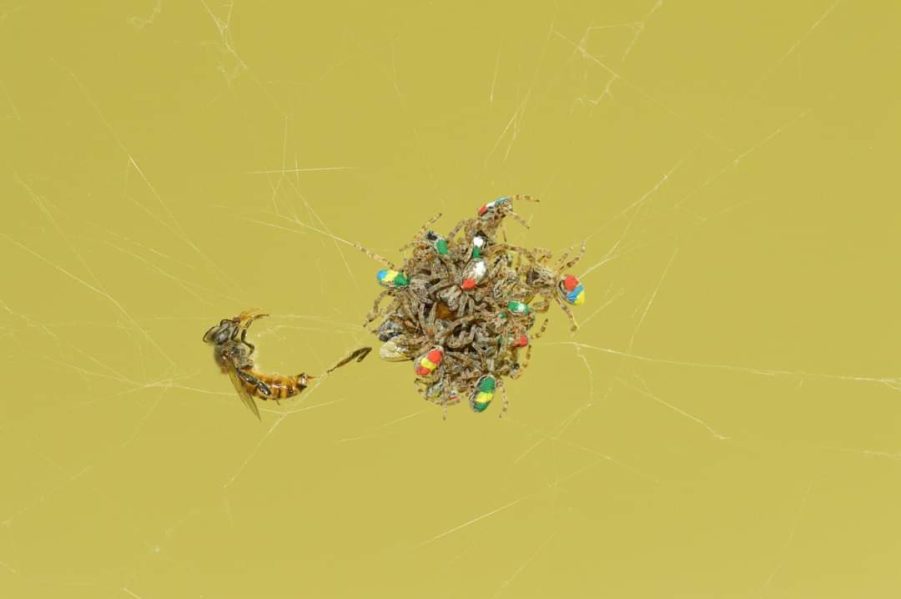
I’m studying social evolution and the evolutionary puzzle of skewed sex allocation in animals. Why do animals cooperate, live in societies, and skew offspring sex ratios for colony proliferation? These questions are not fully understood, but the answers could shed light on the potential future evolution of human society. My research integrates organismal biology, sociology, and mathematical biology, using life history experiments, field studies, molecular genetic techniques, and mathematical models to address specific questions about social and adaptive sex ratio evolution.
Adaptive sex ratios
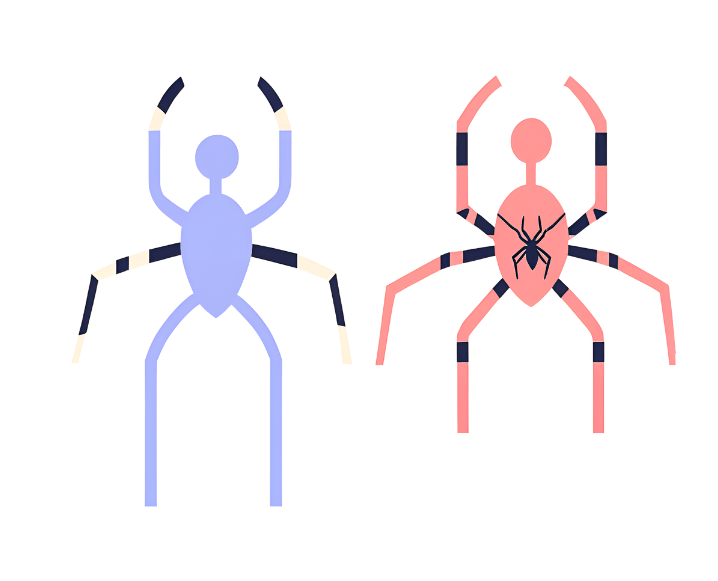
Most animals exhibit approximately equal male to female sex ratios, but in many cases, skewed sex ratios can be observed. A multitude of theories has been developed to explain these extraordinary sex ratios. Currently, I am integrating diverse adaptive models of sex ratios into a cohesive framework, and investigating the comparative investment of mothers and fathers in influencing the sex of offspring.
Task specialisation
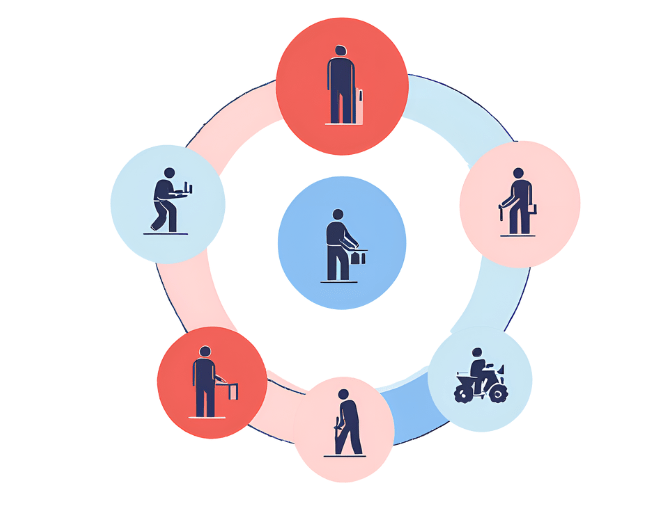
Social organisms are predicted to divide labour and/or show task specialisation to enhance colony productivity. This leads to the expectation that task specialisation is an inevitable manifestation of social organisation. However, recent research revealed that social spiders do not exhibit evidence of division of labour or task specialisation, remarkably indicating “egalitarian” colonies. This prompts further investigation into the evolution and stability of egalitarian societies, as well as the mechanisms through which social spider groups can ward off “freeloaders” within the group.
Extended phenotypes
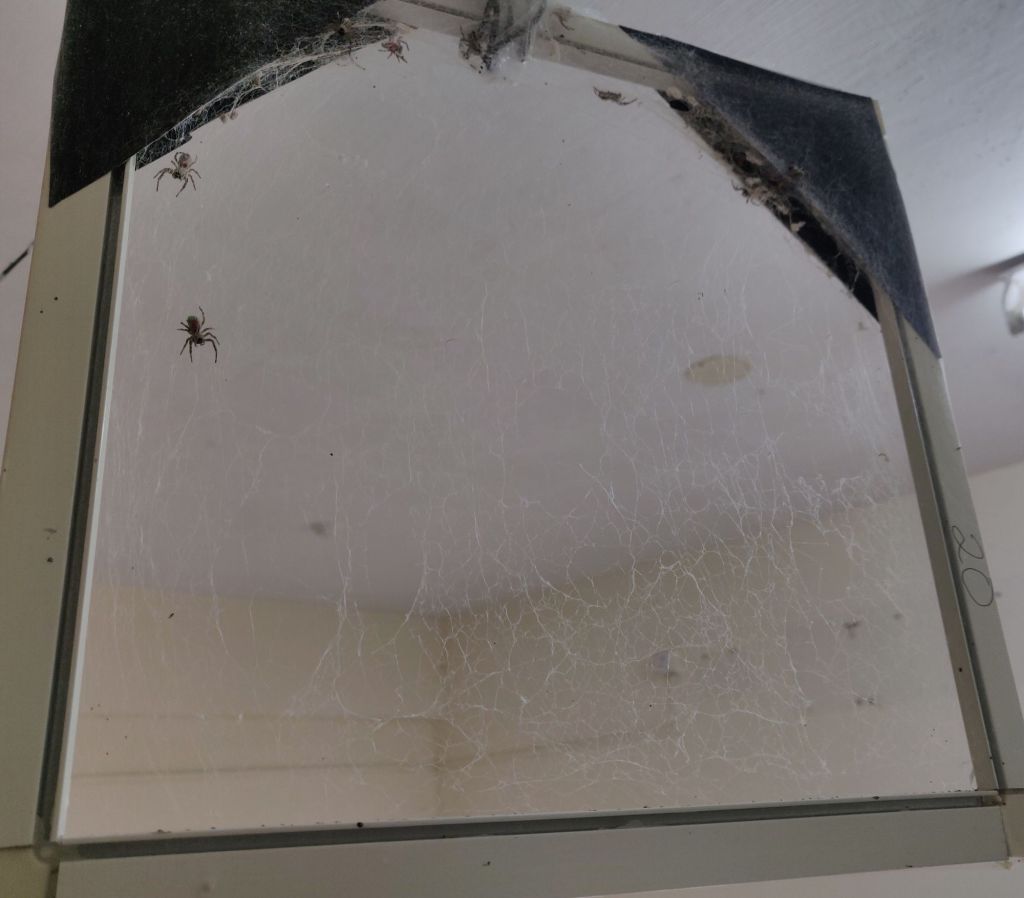
Extended phenotypes, which can be considered as snapshots of the behaviour of the animal that created them, are indeed fascinating. I am currently exploring the feedback between extended phenotypes and individual behaviours, as well as whether extended phenotypic structures covary with individual behaviours.
Animal movement
Locomotion is energetically expensive, so animals must optimise their movements. However, some animals are constantly on the move without any apparent reasons. I am currently researching the reasons behind continuous animal movement and the formation of specific movement patterns in group-living animals.
 Bharat Parthasarathy